
The Allure of Chance
The thrill of uncertainty is the cornerstone of casino gambling’s appeal. For many, placing a bet is an act of hope, a moment suspended in time where anything is possible. This notion of chance creates an electrifying atmosphere that captures the attention of players, drawing them into a world where the ordinary rules of life can be temporarily suspended, much like the experience offered at atphealthsummit.com , where excitement arises not only from the potential win but also from the inherent unpredictability that accompanies every spin of the wheel or roll of the dice.
This psychological phenomenon is deeply rooted in human behavior, as people often gravitate towards activities that offer them a chance to escape their day-to-day lives. Casinos exploit this desire by creating an environment infused with sensory stimulation, such as vibrant colors, bright lights, and captivating sounds. These elements enhance the overall experience and help to form an emotional connection with the game, leading players to feel invested in their outcomes, regardless of the odds stacked against them.
Moreover, this attraction to randomness is often amplified by the concept of jackpot rewards. The idea of winning a life-changing sum of money, even against the odds, serves as a powerful motivator. Players often envision themselves enjoying the luxuries that come with a big win, fueling their excitement and further encouraging them to take greater risks. This blend of hope, anticipation, and the thrill of the unknown forms a psychological cocktail that keeps players coming back for more.
Addiction and Escapism
Casino gambling is not without its darker sides, including the potential for addiction. Many individuals turn to gambling as a form of escapism, seeking to numb their emotions or distract themselves from their everyday struggles. The fleeting highs associated with both winning and the act of gambling itself can reinforce compulsive behaviors, leading players to chase their losses in a desperate attempt to recapture that initial thrill. The cycle of betting, losing, and chasing losses creates a dangerous loop that can transform a harmless pastime into a damaging addiction.
The psychological mechanisms behind gambling addiction mirror those found in substance abuse disorders. Players may find themselves experiencing cravings, withdrawal symptoms when not gambling, and an inability to stop despite negative consequences. This pattern can wreak havoc on personal relationships, financial stability, and overall mental health. Programs aimed at helping individuals identify the signs of gambling addiction are crucial in mitigating its impact and offering pathways to recovery.
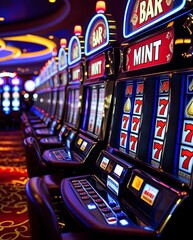
Furthermore, the social environments created within casinos enhance this addictive potential. Players often find themselves surrounded by like-minded individuals, further normalizing the gambling behavior. The sense of community can bolster feelings of belonging but can also lead to increased pressure to engage in gambling activities. Peer influence, coupled with the high-energy environment of casinos, can compound the risks associated with gambling, making it difficult for individuals to recognize when they have crossed the line from fun to addiction.
The Role of Cognitive Biases
Cognitive biases play a significant role in shaping gamblers’ perceptions and behaviors. The illusion of control is one such bias where players believe that they can influence or predict outcomes in games of chance. For instance, a player may think that a particular strategy will improve their odds or that their “lucky” numbers can yield a win. These misconceptions often lead individuals to underestimate the randomness inherent in gambling, driving them to make irrational decisions and increasing the likelihood of greater losses.
Another common bias is the gambler’s fallacy, where players mistakenly believe that past events will impact future outcomes. For example, after a series of losses, a player might feel that they are “due” for a win, leading them to wager larger amounts in hopes of breaking the streak. Such cognitive distortions can skew judgment and result in poor financial management, as individuals chase losses based on faulty reasoning, further entrenching gambling behaviors.
Additionally, the ability to remember wins more vividly than losses can reinforce gambling activity. Players often recount their winning experiences while downplaying their losses, leading to an inflated sense of skill or confidence. This selective memory creates a false narrative of success, making it easier to overlook the reality of the odds against them. Consequently, these cognitive biases can trap individuals in a cycle of irrational betting, amplifying both their emotional highs and lows.
The Influence of Environment and Design
The physical and psychological design of casinos is meticulously crafted to encourage prolonged play. From the layout of the gaming floor to the absence of clocks and windows, every element is intended to immerse players in the experience and remove reminders of the outside world. This strategic design enhances the likelihood that individuals will lose track of time, allowing them to focus entirely on their gambling activities and reducing the impulse to leave.
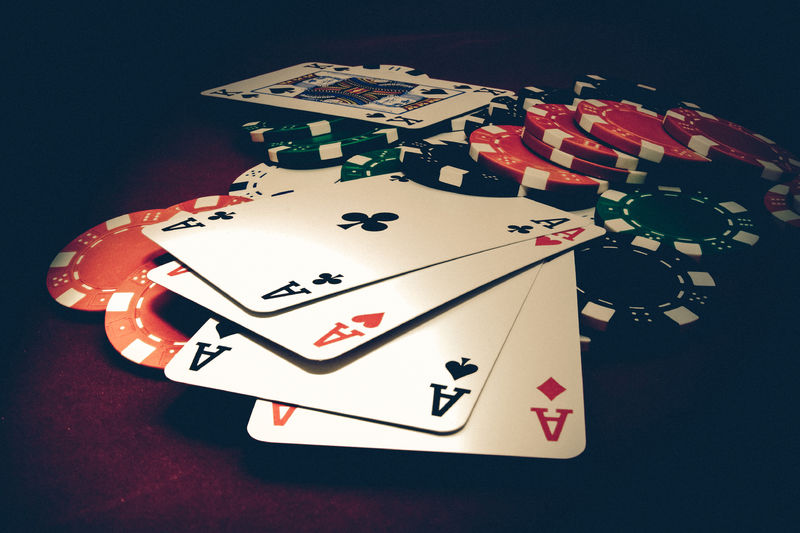
Colors, sounds, and scents are also employed to create a captivating atmosphere that fosters excitement. Bright lights and sounds of coins clinking can evoke feelings of success and happiness, reinforcing a positive feedback loop that encourages players to stay engaged. The sensory overload can sometimes lead to a disconnection from reality, as the distinction between winning and losing becomes blurred in the face of overwhelming stimulation.
The social aspect of casinos also plays a role in enhancing the gambling experience. The presence of other players can create a sense of camaraderie and excitement, drawing individuals into the collective experience. This socialization can further reduce inhibitions, prompting players to gamble more than they initially intended. As players feed off each other’s energy and excitement, the environment becomes even more conducive to extended gambling sessions, often leading to increased financial risk.
Understanding Casino Gambling Through a Psychological Lens
Understanding the psychology behind casino gambling provides valuable insights for players, operators, and mental health professionals alike. Recognizing the emotional and cognitive factors at play can help individuals make more informed decisions while gambling. By acknowledging the escapism, cognitive biases, and environmental influences that contribute to gambling behavior, players can develop a healthier relationship with this form of entertainment.
For casino operators, an understanding of these psychological elements can foster a more responsible environment that prioritizes player welfare. Implementing strategies such as self-exclusion programs, education on addiction signs, and promoting awareness of responsible gambling can contribute to a culture of safety and support within the gaming industry. By prioritizing player health, casinos can build trust and loyalty among their patrons.
Moreover, mental health professionals can use this understanding to develop interventions aimed at those struggling with gambling addiction. Therapeutic approaches that address cognitive distortions and emphasize healthy coping mechanisms can support individuals seeking to break free from the cycle of gambling. As the conversation around responsible gambling continues to evolve, integrating psychological insights will be vital in fostering a balanced perspective on this widely popular activity.